
"Nothing Really Young is Really Ugly"
An unexpectedly New York-y dispatch from Los Angeles.

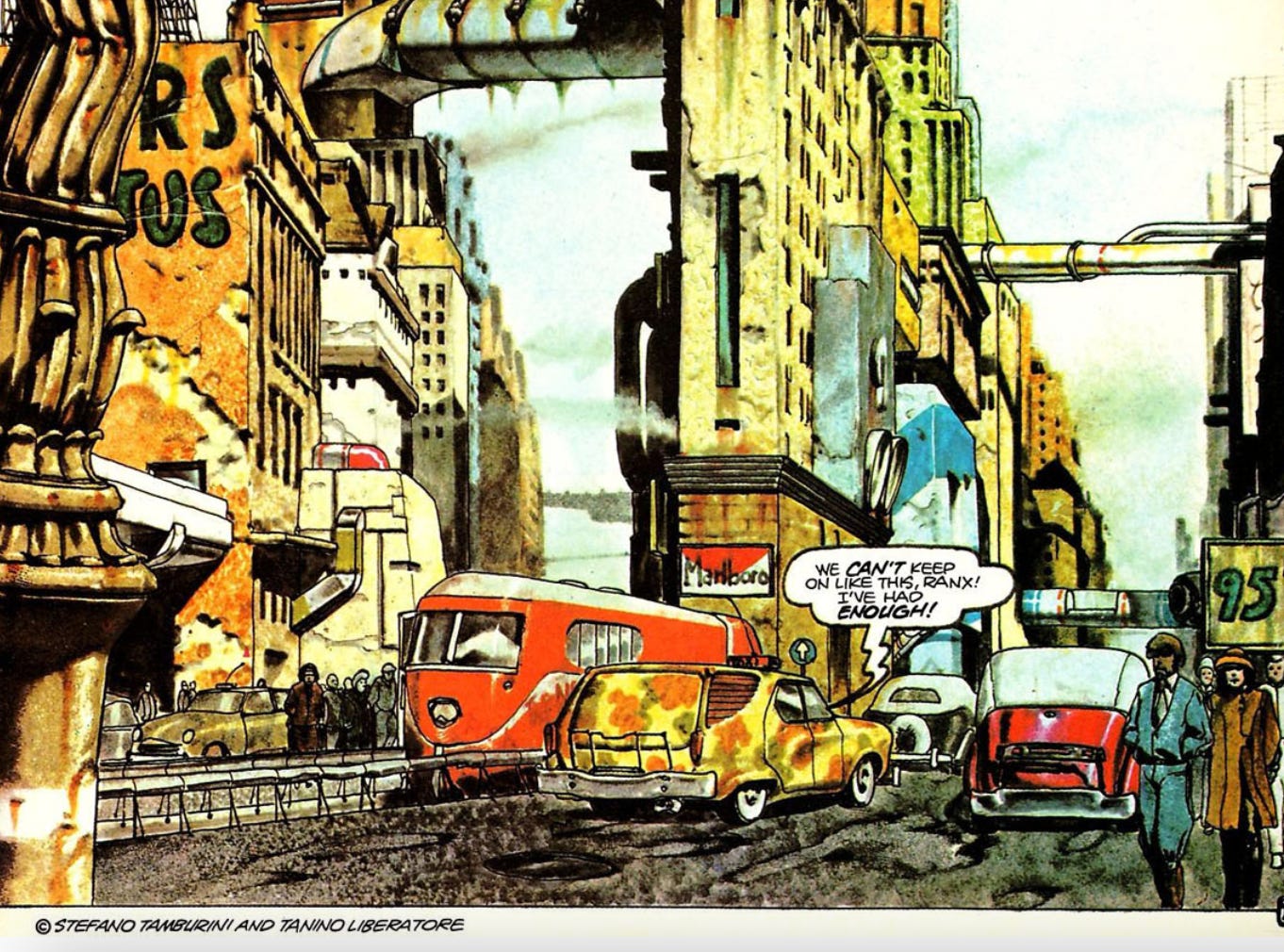
Out in the wider internet world, I wrote about Return to Cookie Mountain, TV on the Radio’s best album, and probably the best album to come out of that period of music in Brooklyn, and tried to impart some of what it felt like to witness all of that while working in music. A sort of “I was there” in the abstract, focused on two major moments for the band, but filled with details of early-gentrification Williamsburg, industrial decay, and the sense of optimism in the face of a pretty shitty time for America.1 Unfortunately, I did not find a good place for the part of the story where I stood on a rat-infested subway platform (seriously it was insane. We’re talking like 20+ rats scurrying about) at midnight to get to the Union Square Virgin Megastore to buy the CD along with Justin Timberlake’s sophomore album.2 Read it here. The self-promotion portion of the newsletter is now complete.
My son and I were in New York for the heatwave, which felt more aggressive, more…wet, and more uncomfortable than any other New York summer I can remember. Maybe leaving the city made me soft. Isn’t that what Baz Luhrmann said in that “Everybody’s Free (To Wear Sunscreen)” song where he does a spoken word rendition of a commencement speech by Mary Schmich? We took it to heart. We wore a lot of sunscreen, and then sweated it off, trudging through the city from the math museum to Economy Candy. I learned that you can always go back to New York but you can’t ever go back to your New York after you’ve left. It changes too fast. New York for me now is middle-aged palm sweat. Indoor kid activities. Subway trips to the Upper West Side. The soft cheese funk of Zabars.
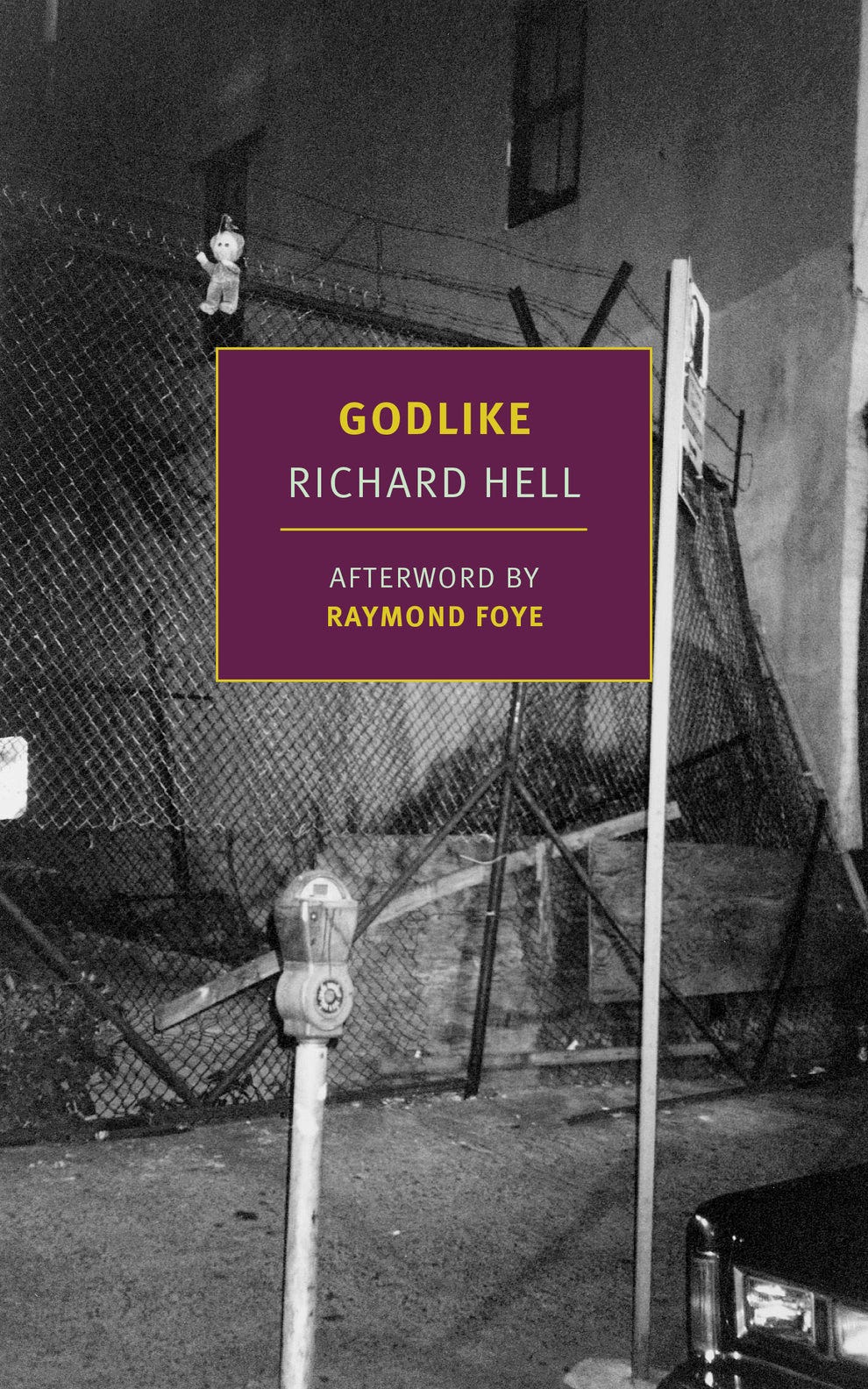
I arrived back home to a box full of books I’d ordered on sale from NYRB, who, once or twice a year, have a huge sale of their entire catalogue. Every year I order too much. The first book I grabbed from the stack was Richard Hell’s Godlike, an urgent, elliptical novel of misquotes, poem excerpts, and blocks of narrative that switch between first and third person. A druggy, gritty celebration/condemnation of New York’s poetry and art scene of the early-’70s and an ode to living on the edge of it all. A sort of autofiction, with an emphasis on the fiction. Worth a read for knowledge jewels like “Maybe his behavior was ugly, but nothing really young is really ugly,” and for the way Hell can write a character clearing his mind via a stack of poetry books and Albert Ayler records and so effortlessly capture chaotic inspiration humming under aimless drift.
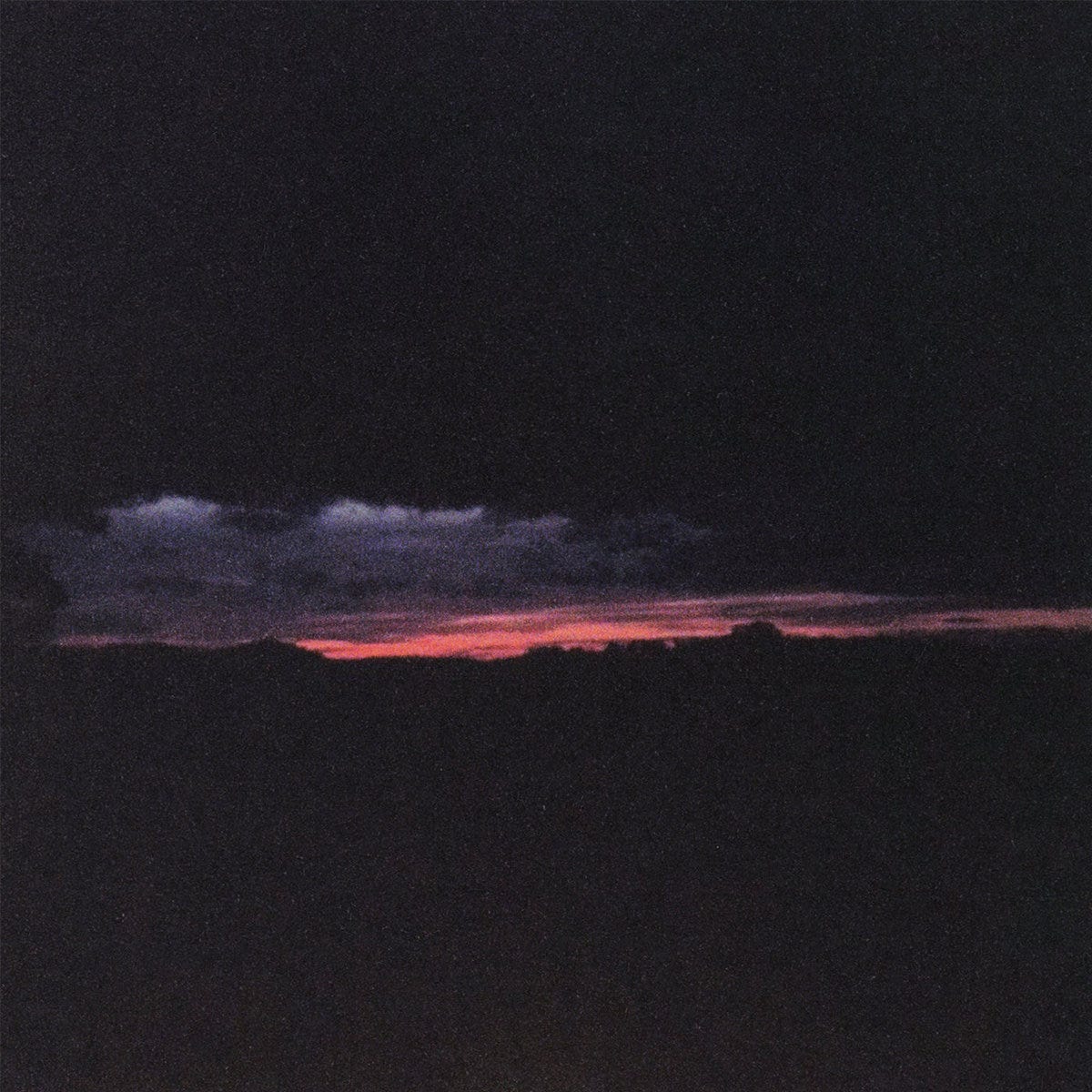
I can’t remember where I came across Chicago artist Curt Oren’s For Sam Forever Ago, but I swear it’s not because the title, a flip on Bon Iver’s now-iconic break up album For Emma, Forever Ago, has my name in it. In fact, the Sam that Oren is referring to here is actually his dog. I guess I should clarify that Curt Oren did not break up with his dog. His dog died, and the album is, if you’re in the know about that backstory, an ode to that dog. If you’re not in the know, though, it doesn’t matter. For Sam Forever Ago is elegiac and warm, an album that takes its cues as much from Jim O’Rourke as it does Phillip Glass. My favorite track, “Moab,” has these huge emotional moments, before it pulls back, creating rhythm from a stream of abstract vocalizing.
Sometimes a good headline means you make people mad because you’re lying to them a little bit. I get the sense that some people were probably pretty up in arms about Jonah Weiner’s Blackbird Spyplane essay, Is Ambient Music Evil? You should read the piece, because Jonah does a great job of breaking down his uneasiness with the perpetually growing ambient-music-as-utility corner of the music industry, and how its frictionlessness and ingrained anonymity creates a sort of low-stakes, always vaguely, ominously pleasurable listening experience. Rounding edges. Smoothing moments. This is just one type of ambient music, and some of it certainly has its place, but the vast majority of it is basically the equivalent of putting on a mediocre show to half-watch while you scroll on your phone. The piece got me thinking about my own relationship to ambient music, and how that commodification of it is a feature, not a bug, but also how the search for the real in all that slop makes discovery of something great and genuine all the more rewarding. The idea extends beyond ambient music, actually.
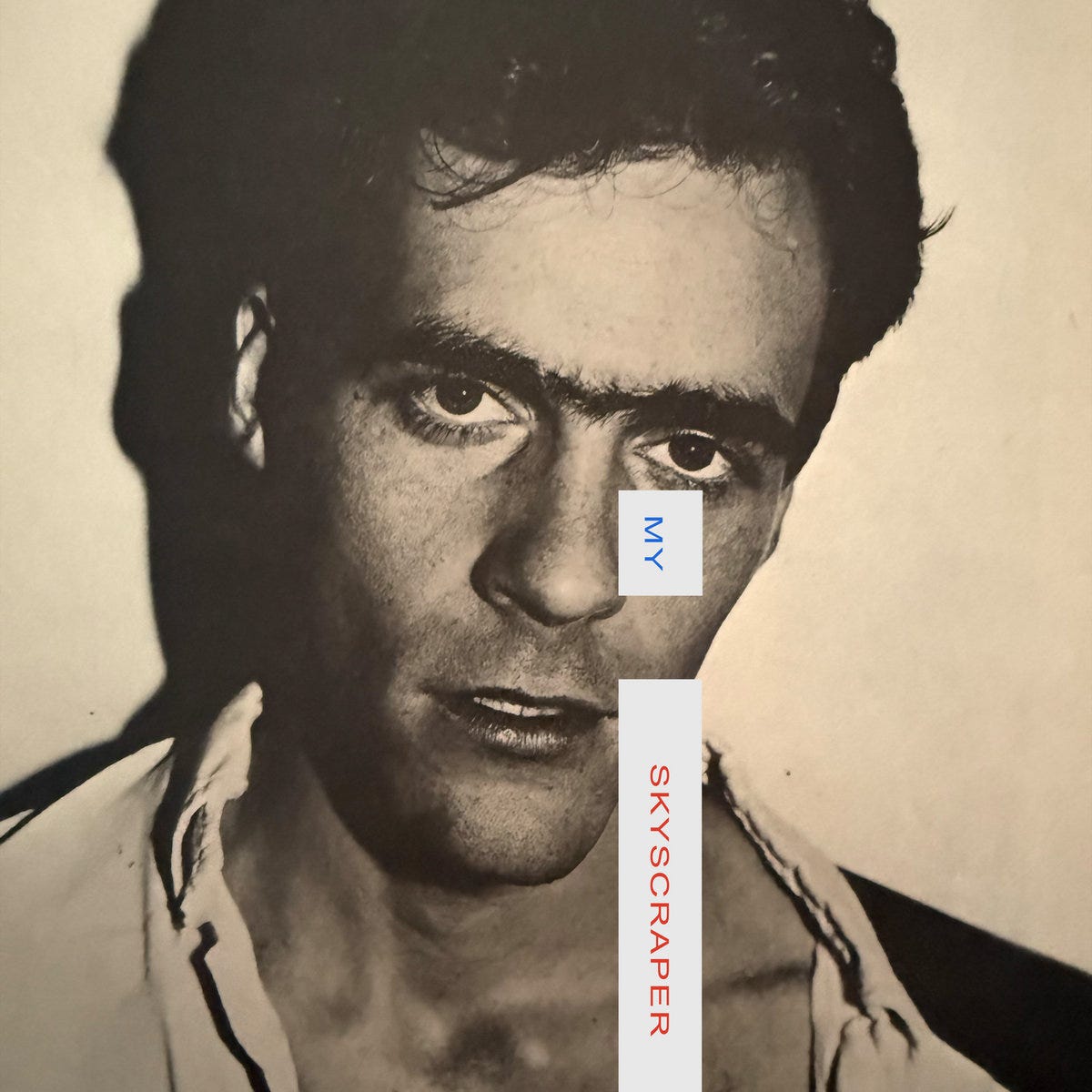
I’m consistently drawn to music that could be described as amateurish, or outsider art, or just sort of odd because it feels like the antithesis of the hyper-clean, focus grouped era of popular music that we are still somehow in the middle of. It’s from that place that I ended up connecting with My Skyscraper the ESSENTIAL compilation of music from Nirosta Steel.3
Nirosta Steel is the project of Scottish musician Steven Hall. Hall spent his younger years collaborating with Arthur Russell (Russell, FWIW, is all over this record), inhabiting the part of the downtown NYC art scene that skipped between disco, funk, proto-hip-hop, post punk and basically everything else. It’s virtually impossible to classify this record, which was curated and reissued by the great (greatest!) label Ulyssa, who’ve made a name for themselves by issuing outsider music that is refreshingly openhearted, genuine, and honest. The songs range from uptempo tongue-in-cheek party anthems to more subdued moments like the intimate and meditative “TRIANGULARIZE,” which could sit comfortably next to much of Russell’s World of Echo. My Skyscraper is frequently funny and sort of out there: Hall’s unrelenting falsetto on “YHEMA” is completely ridiculous, and then it just keeps going, and “MY NAME IS NIGHT” is lonely, and a bit slick. Sleazy. It’s a testament to the sequencing of the album that these moments all feel natural, just another facet of the genuine, unselfconscious musical world that Hall has built.
In 2024, I reviewed Richard King’s excellent Arthur Russell book Travels Over Feeling, which meant I got to immerse myself in not just Russell’s music, but stories from his life from the people who were part of it. A couple years later, the parts that stayed with me are: Russell walking around the Lower East Side in humid New York summer, stoned out of his gourd, filled with the promise of young life and love and creation; Russell bringing in random people off the street to record epically long jams that he’d meticulously edit and cut up into concrete tracks; the general spirit of wide-open possibility, of art’s ability to provide and save and nourish. It’s an intoxicating feeling, and the older I get, the harder it is to find. That’s by design, I suppose. But hearing, say, the hushed, dubby “SUPERBOY” on My Skyscraper brings back that same feeling, and I think that’s just one of the best aspects of this record. “SUPERBOY” is actually one of my favorite moments of the whole thing because it lays bare how Hall is able to use his toolbox of instruments to create an emotional register that feels consistent whether it’s ridiculous or insightful or just inspiring. Could music like this be made today? Sonically, sure. But the intangible parts: the purity of it, the genuine weirdness and playfulness. You can’t recreate that. It’s too real.
I am aware that every year is a pretty shitty time for America.
That year, I was reliably excited by TV on the Radio and Timbaland, who produced the bulk of that JT album. I’d heard both albums, but I wanted to attach them to a ritual I guess?
You can tell I’m not messing around here. This, more than anything else I’ve heard this year, feels like the defining reissue of the moment. A north star for musicians who’re looking for inspiration.
floored by this curt oren album
A fantastic newsletter post, this